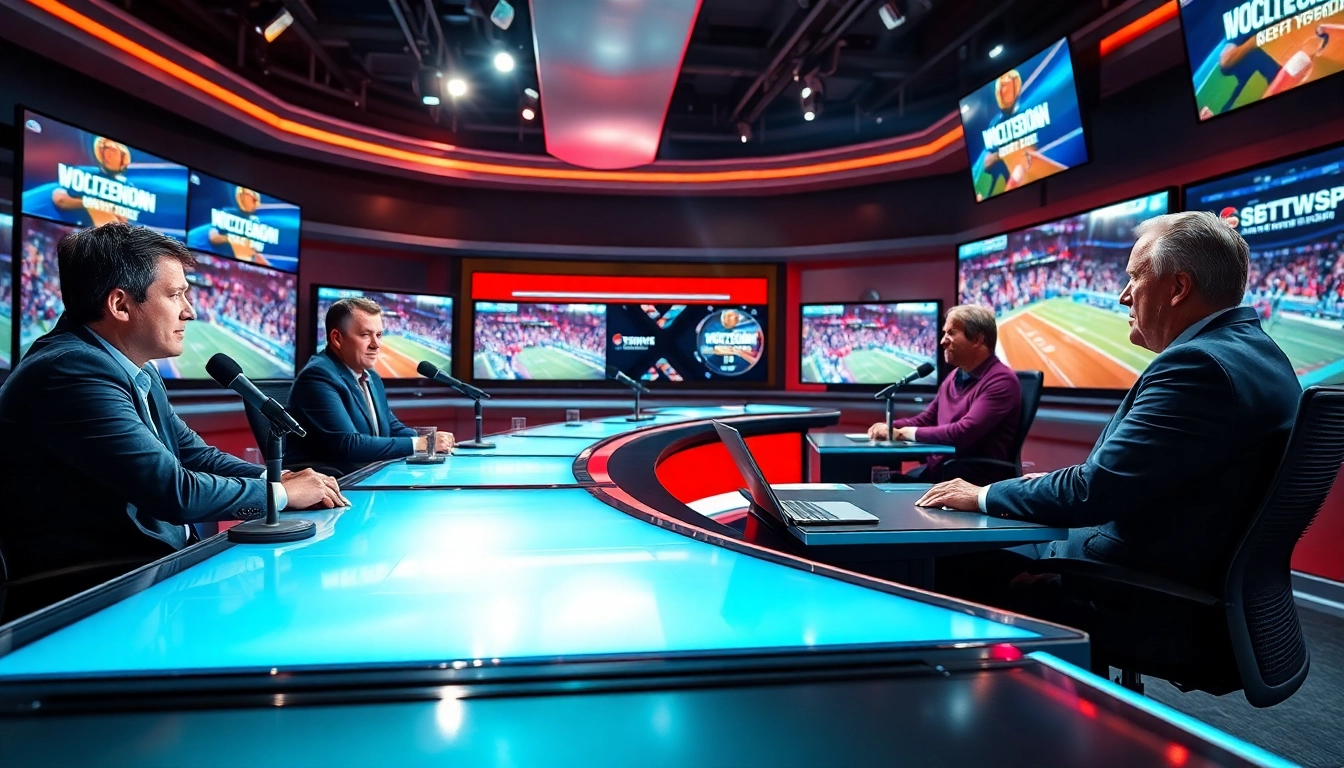
Overview of Sports Broadcasting
Sports broadcasting is a multifaceted field that combines the excitement of live sports with the art of presentation. It encompasses various media platforms, including television, radio, and digital content, to deliver real-time coverage and analysis of sporting events. This area has developed significantly over the years, driven by advancements in technology and changing viewer preferences. With the advent of streaming and on-demand viewing, the landscape of Sports Broadcasting continues to evolve, creating new opportunities and challenges for broadcasters.
What is Sports Broadcasting?
At its core, sports broadcasting refers to the dissemination of live or recorded sporting events through various channels. This includes traditional outlets like television and radio, as well as newer formats such as streaming services and social media platforms. The aim is to engage viewers, providing them with updates, commentary, and analysis before, during, and after events. Broadcasters play a vital role in shaping how viewers experience sports, influencing public perception and consumer behavior.
History and Evolution of Sports Broadcasting
The history of sports broadcasting dates back to the early 20th century, starting with radio broadcasts of sporting events. The first-ever sports broadcast was a baseball game in 1921. By the mid-1930s, television began to emerge, and the first live televised sports event, a college baseball game, took place in 1939. The evolution continued rapidly post-World War II, with sports programming becoming increasingly popular, leading to dedicated sports networks establishing in the 1980s. Artificial intelligence, augmented reality, and the internet have further revolutionized how sports are consumed and presented today.
Key Players in Sports Broadcasting
The sports broadcasting ecosystem consists of multiple key players, including:
- Broadcasters: Major networks and dedicated sports channels that provide coverage.
- Production Teams: Crews responsible for the technical aspects of broadcasting, including camera operators and sound engineers.
- Commentators and Analysts: Individuals who provide play-by-play commentary and expert analysis, enhancing viewer engagement.
- Sports Leagues and Teams: Entities that negotiate broadcasting rights and ensure their events reach the audience.
- Advertising Agencies: Firms that strategize marketing and sponsorship opportunities during broadcasts.
Understanding the Technology of Sports Broadcasting
Common Tools and Equipment for Sports Broadcasting
Successful sports broadcasting relies heavily on cutting-edge technology. Key tools and equipment include:
- Cameras: Multi-angle cameras to capture every moment, including high-speed and drone cameras for unique perspectives.
- Microphones: High-quality audio equipment to ensure clear commentary and ambient sounds.
- Graphics Software: Tools used to create dynamic graphics, overlays, and statistics during live broadcasts.
- Broadcast Trucks: Mobile units equipped with all necessary technology to broadcast live events remotely.
- Streaming Platforms: Tools for streaming content directly to viewers through the internet, catering to the growing demand for on-demand viewing.
Innovations Reshaping Sports Broadcasting
Innovations in technology have significantly reshaped sports broadcasting, enabling enhanced viewer experiences. Examples include:
- VR and AR: Virtual and augmented reality technologies provide immersive experiences, allowing fans to engage with content like never before.
- AI Driven Analytics: Artificial intelligence is leveraged to provide deeper analytics, tailoring the viewing experience to individual preferences.
- Cloud-Based Solutions: Cloud technology facilitates remote broadcasting and easy access to content archives for on-demand purposes.
- Social Media Integration: Platforms like Twitter and Instagram are now integral, allowing real-time interactions and updates during events.
Challenges in Current Broadcasting Technology
Even with technological advancements, several challenges persist in sports broadcasting:
- Latency issues: A delay in broadcast feeds can hinder viewer experience, especially during live events.
- Content Saturation: With a flood of sports content available, standing out becomes increasingly difficult for broadcasters.
- Adherence to Rights Management: Navigating broadcasting rights and legalities can be complex and can limit the scope of coverage.
- Technological Skill Gaps: Rapid technological changes necessitate continuous training for staff to keep pace with innovations.
Content Creation in Sports Broadcasting
Types of Content in Sports Broadcasting
Sports broadcasting encompasses various content forms, including:
- Live Game Coverage: Real-time play-by-play broadcasting, providing updates and in-depth statistics.
- Highlights Shows: Recaps of significant moments from games, particularly useful for viewers with limited time.
- Pre and Post Game Analysis: In-depth discussions and analyses before and after events, often featuring expert insights.
- Sports News Programs: Regular updates on events, player transfers, and league news catered to sports enthusiasts.
- Documentaries and Features: In-depth storytelling that delves into the lives of athletes or significant sports moments.
Creating Engaging Sports Commentary
Engaging sports commentary is essential for maintaining audience interest. Effective strategies include:
- Relatability: Commentators should connect with the audience by sharing personal experiences and insights.
- Dynamic Delivery: A lively and enthusiastic tone can enhance the viewer’s experience during matches.
- Contextual Information: Providing background information on players or teams enriches the narrative and keeps viewers engaged.
- Analytical Insights: Offering tactical analysis helps audiences understand the complexities of the game better.
Leveraging Social Media in Sports Broadcasting
Social media has become a crucial tool in sports broadcasting, enabling real-time interaction and content sharing. Ways to leverage social media include:
- Live-Tweeting: Sharing play-by-play updates and commentary on platforms like Twitter during live events.
- Engagement Campaigns: Inviting audience participation through polls, Q&A sessions, and contests enhances viewer connection.
- Video Clips: Sharing highlights or behind-the-scenes footage on platforms like Instagram and TikTok to attract younger audiences.
- Fan Content: Encouraging fans to share their experiences, which can be showcased during broadcasts to increase community engagement.
Trends and Developments in Sports Broadcasting
Emerging Trends in Viewer Engagement
As the broadcasting landscape evolves, several trends have emerged to enhance viewer engagement:
- Interactive Viewing: Offering features such as live polls and interactive graphics during broadcasts fosters viewer participation.
- Personalized Content: Tailored viewing options allow audiences to receive content that meets their specific preferences.
- Gamification: Integrating competitive aspects like fantasy sports into broadcasts promotes viewer loyalty.
- Multi-Platform Coverage: Reaching audiences across different devices and platforms ensures broader accessibility and engagement.
The Role of Analytics in Sports Broadcasting
Analytics plays an integral role in shaping how content is created and distributed in sports broadcasting. Key applications include:
- Viewership Metrics: Understanding who is watching, when, and on which platforms allows broadcasters to tailor content to audience preferences.
- Performance Analytics: Utilizing data to assess both player and team performance, informing commentary and strategy.
- Advertising Effectiveness: Analyzing the success of ads during broadcasts aids in refining marketing strategies.
- Fan Engagement Analytics: Measuring social media interactions and fan responses helps broadcasters enhance their engagement tactics.
Future Directions for Sports Broadcasting
The future of sports broadcasting looks promising, characterized by continuous advancements and evolving viewer preferences. Possible directions include:
- Increased Virtual Broadcasting: The rise of virtual reality could transform how viewers experience sports events, offering immersive environments.
- AI Content Creation: The use of artificial intelligence to generate personalized highlights and summaries could revolutionize viewer engagement.
- Global Accessibility: Enhancing broadcasting capabilities for wider accessibility across various regions and demographics.
- Sustainable Broadcasting Practices: Emphasis on eco-friendly practices within broadcasting operations, appealing to a more conscientious audience.
Measuring Success in Sports Broadcasting
Key Metrics for Broadcast Success
To gauge the effectiveness of sports broadcasts, various metrics are assessed, including:
- Viewership Numbers: Total viewers and peak concurrent viewers are crucial indicators of a broadcast’s reach.
- Audience Retention Rates: Monitoring how long viewers stay tuned to broadcasts aids in evaluating content effectiveness.
- Engagement Rates: Social media interactions, comments, and shares reflect viewer engagement levels.
- Advertising Revenue: Increased ad sales during broadcasts signify success and audience interest.
Understanding Viewer Ratings and Demographics
Understanding viewer ratings and demographics is vital for tailoring content and advertising strategies. This involves:
- Demographic Analysis: Using data to comprehend who is watching — age, gender, and geographic location.
- Peak Viewing Times: Identifying when audiences are most likely to be watching helps optimize scheduling.
- Feedback Mechanisms: Implementing audience surveys and feedback tools to gather viewer opinions on broadcasts.
- Competitor Benchmarks: Comparing performance metrics against competitors to identify areas of improvement.
Strategies for Improving Broadcast Performance
To continually improve broadcast performance, broadcasters must adopt various strategies:
- Regular Training: Investing in staff training ensures they remain adept at using new technologies and techniques.
- Content Experimentation: Testing new content formats or interactive elements can lead to richer viewer experiences.
- Investment in Technology: Upgrading tools and technology to ensure high-quality broadcasts keeps audiences engaged.
- Data-Informed Decisions: Utilizing analytics to guide programming decisions and marketing approaches makes broadcasts more relevant.
Frequently Asked Questions
What types of events are typically broadcast in sports broadcasting?
Sports broadcasting covers a wide range of events including professional leagues, college games, international competitions, and niche sports events, appealing to diverse audiences.
How has technology impacted sports broadcasting?
Technology has revolutionized sports broadcasting through enhanced production tools, streaming services, and interactive features that engage viewers, creating immersive experiences.
What role do commentators play in sports broadcasting?
Commentators provide real-time play-by-play coverage, expert analysis, and engaging storytelling, enhancing the viewer’s understanding and enjoyment of the game.
How do broadcasters measure success?
Success is measured through key metrics like viewership numbers, audience retention, social media engagement, and advertising revenue to assess overall performance.
What trends are shaping the future of sports broadcasting?
Emerging trends include increased use of virtual reality, personalized content, social media integration, and data-driven decision-making for enhanced viewer engagement.