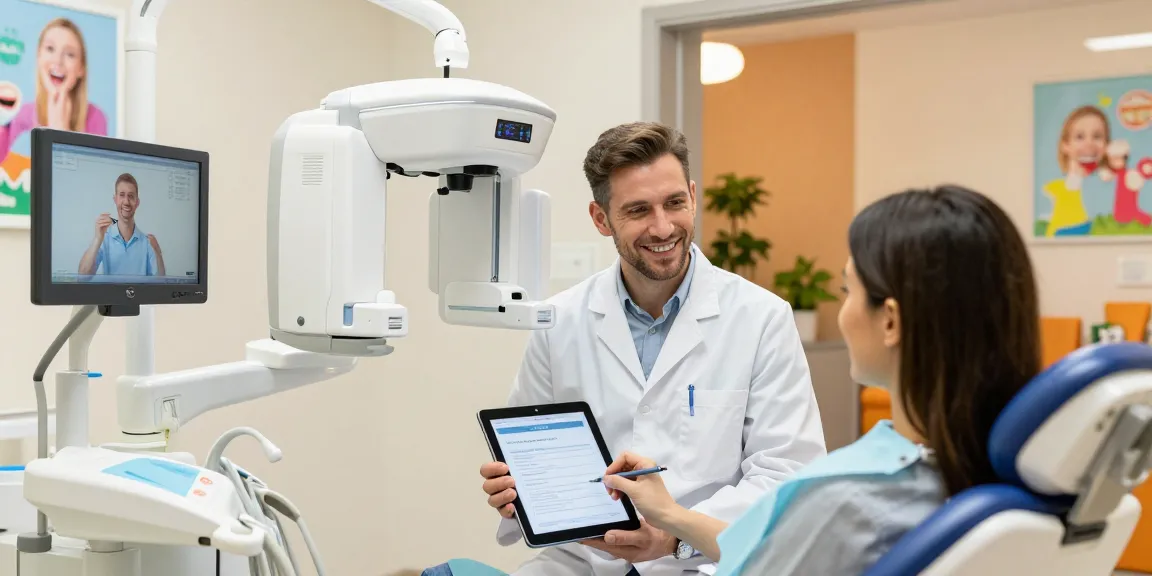
The Evolution of Dental Visits: Understanding the Changes
In recent years, the landscape of dental care has changed dramatically, not only in terms of technology but also in patient expectations and treatment methods. With a focus on providing better patient experiences, the dental industry has evolved to offer more efficient and effective services. Patients can now easily find and book appointments with qualified dentists, often within minutes. For those looking to visit a dentist, platforms like Dentee enable you to discover the right professional tailored to your needs, leading to a healthier and more manageable dental care experience.
Key Trends in Dental Care for 2026
As we move into 2026, several key trends are shaping the dental care industry:
- Increased Use of Tele-dentistry: Virtual consultations are becoming increasingly popular, allowing patients to connect with dentists from the comfort of their homes.
- Personalized Treatment Plans: Data analytics is paving the way for tailored dental care plans, ensuring that patients receive treatments specifically designed for their unique oral health needs.
- Focus on Preventive Care: Emphasis on regular check-ups and preventive care is helping reduce the incidence of dental issues, leading to healthier smiles for many.
Impact of Technology on Dental Appointments
The integration of technology into dental practices has revolutionized how appointments are scheduled and managed. Online booking systems streamline the process, allowing patients to select their preferred time slots and receive reminders. Moreover, advancements in diagnostic tools mean that dentists can offer quicker and more accurate assessments during visits, making the overall experience less stressful for patients.
Patient-Centered Care: What to Expect
Today, dental clinics prioritize patient comfort and convenience. This shift towards patient-centered care ensures that you are not just a number but an integral part of your treatment journey. Dentists are now encouraged to engage in open dialogues with patients, helping them to understand their conditions and treatment options thoroughly.
How to Prepare for Your Dental Visit: Top Tips
Preparing for a dental visit can significantly enhance your experience. Taking a few proactive steps can help ensure that you get the most out of your appointment:
Essential Questions to Ask Your Dentist
Before your appointment, consider what you want to learn from your dentist. Prepare a list of questions that may include:
- What are my treatment options?
- How often should I schedule check-ups?
- Are there any risks associated with my recommended treatments?
Understanding Your Dental Insurance
Being informed about your dental insurance can eliminate surprises during your visit. Ensure you know what treatments are covered and any applicable limits or exclusions. This knowledge empowers you to make informed decisions about your dental care.
What to Bring to Your Appointment
To facilitate a smooth visit, remember to bring the following:
- Your dental insurance card
- A list of medications
- Your medical history, especially any recent health issues
Common Dental Procedures and Their Modern Approaches
Understanding common dental procedures can demystify your dental visits. Here’s how modern dentistry approaches these treatments:
Preventive Care: Cleanings and Check-Ups
Regular cleanings and check-ups are essential for maintaining oral health. Dentists utilize advanced tools to effectively clean teeth while also providing a thorough examination to catch any potential issues early on.
Common Treatments: Fillings and Root Canals
Fillings have evolved beyond amalgam to include composite materials that blend seamlessly with natural teeth. Root canals, which were once feared, are now performed with improved techniques ensuring minimal discomfort.
Advanced Procedures: Implants and Cosmetic Dentistry
For those seeking restoration or enhancement of their smiles, dental implants and cosmetic procedures, such as whitening and veneers, have become more accessible and effective. Modern technology allows for customized solutions that meet each patient’s aesthetic goals.
Navigating Dental Anxiety: Strategies for a Calm Visit
Dental anxiety is a common issue that affects many patients. Understanding its roots and how to approach your visits can help reduce anxiety levels:
Understanding Dental Anxiety and Its Causes
Fear of dental procedures can stem from past experiences, the sounds of dental tools, or even the clinical environment itself. Recognizing these triggers is the first step toward alleviating anxiety.
Techniques to Manage Anxiety Before Your Visit
Consider employing relaxation techniques such as deep breathing exercises or visualization. Additionally, communicating your fears with your dentist can allow them to provide the care and support you need.
How Dentists Are Helping Patients Feel More Comfortable
Many dental practices are now equipped with amenities aimed at patient comfort, such as TVs in treatment rooms, noise-canceling headphones, and options for sedation dentistry to ease anxiety.
Looking Ahead: The Future of Dental Visits Beyond 2026
As dental technology continues to advance, the patient experience is set to transform further:
Emerging Technologies in Dentistry
Innovations such as 3D printing for custom dental solutions and artificial intelligence for diagnostics are on the horizon, promising enhanced precision and efficiency in dental care.
Changing Patient Expectations and Behaviors
Patients are increasingly looking for transparency and convenience in their dental care. Practices that provide online access to records and treatment options will likely thrive as patient expectations evolve.
Predictions for Dental Care Innovations
The future holds exciting prospects, including enhanced preventive measures and the use of data to predict and personalize care. As technology integrates further into dentistry, the potential for improved patient outcomes is significant.
What is the Role of Tele-dentistry?
Tele-dentistry is poised to play a crucial role in making dental care more accessible. Virtual consultations can help patients receive timely advice and support, decreasing the need for in-person visits for non-urgent issues.